NASA's Lunar Ambition Faces Stagnation: Starship Launch Count Hovers Near Two Dozen
Internal assessments suggest the number of rocket flights needed to fuel a lunar lander remains stubbornly high, raising questions about the timeline for Artemis missions.
By Ama Boateng ·
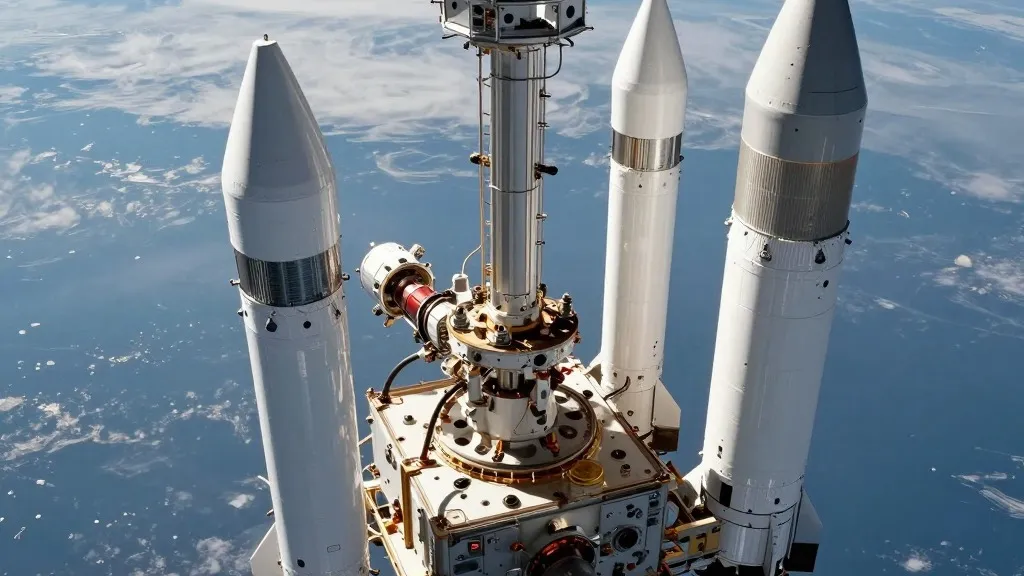
NASA is facing a persistent logistical hurdle in its quest to return humans to the Moon, as the estimated number of rocket launches required to fuel a lunar lander has stabilized at a higher level than previously hoped. This metric, central to the Artemis Program, has become a closely guarded figure within the agency, treated with a level of secrecy reminiscent of nuclear security protocols. The uncertainty surrounding this number reflects a growing tension between the program’s ambitious timeline and the engineering realities of deep space propulsion.
The core issue revolves around the quantity of Starship launches needed to accumulate sufficient liquid oxygen and methane propellant in low-Earth orbit. This accumulated fuel is essential to refuel a Starship-based lander, enabling it to travel from Earth orbit to the lunar surface, complete its mission, and return to lunar orbit. For years, this figure has been a moving target, with official responses typically indicating that the agency lacks the precise data to commit to a specific count.
In 2023, Lisa Watson-Morgan, then-director of NASA’s Human Landing System, expressed this caution in an interview. She stated that while the agency had a general understanding of the requirements, she was reluctant to pinpoint the exact number. Her comments suggested a range of 'high single digits to the low double digits,' implying approximately a dozen launches. This estimate would require SpaceX to launch a single 'depot' Starship to serve as a fueling station, followed by 11 additional 'tanker' Starships to transfer the necessary propellant.
Other officials have offered even higher estimates, with some citing figures in the 'high teens.' These numbers highlight the significant logistical burden placed on SpaceX. The underlying assumption that drove earlier optimism was that SpaceX would dramatically increase the lift capacity of the Starship vehicle. Such an improvement would reduce the number of tanker flights required to fill the depot, thereby streamlining the process and making the lunar landing more feasible within the current decade.
However, concerns are now emerging among some NASA officials that this anticipated leap in performance may not materialize soon enough. If the lift capacity improvements lag behind schedule, the high number of required launches could jeopardize Starship’s role in the Artemis program. There is a growing worry that the vehicle may not be ready to play a meaningful part in returning humans to the Moon by the end of this decade, potentially forcing a reevaluation of the program’s structure.
New insights into this issue surfaced on Thursday during the quarterly meeting of the NASA Aerospace Safety Advisory Panel. The panel, which provides independent oversight on safety matters, discussed the various risks associated with the Artemis Program. The meeting provided a forum for experts to examine the technical challenges that continue to cloud the path to a crewed lunar landing.
Charlie Precourt, a former NASA astronaut and current member of the advisory panel, spoke specifically about the risks inherent in the plan to land humans on the Moon. His comments underscored the complexity of the fueling operations in orbit and the critical importance of getting the launch count right. The discussion highlighted that the number of flights is not just a logistical detail but a key variable in the overall safety and success of the mission.
The persistence of a high launch count introduces significant operational risks. Each additional tanker flight adds another opportunity for failure, from launch anomalies to in-orbit fueling errors. As the decade draws to a close, the pressure on both NASA and SpaceX to resolve this uncertainty intensifies. The agency must balance the need for precise planning with the reality that the technology is still evolving rapidly.
For now, the exact number remains elusive, but the trend suggests that the initial hopes for a streamlined, low-count process may have been overly optimistic. The agency is likely to continue guarding the specific figure, preferring to avoid locking in a number that could prove inaccurate as engineering data comes in. The coming months will be critical in determining whether the Starship fleet can meet the demanding requirements of the Artemis program or if adjustments to the lunar landing strategy will be necessary.
Ultimately, the debate over the launch count reflects a broader challenge in space exploration: aligning aggressive timelines with the incremental nature of technological development. As NASA prepares for the next phase of its lunar ambitions, the ability to efficiently fuel its landers in orbit will remain the defining test of its partnership with SpaceX and the viability of its return to the Moon.
Source: Ars Technica