Tesla Delays Unsupervised FSD To 2027
The long-promised hands-free feature is now limited to specific Robotaxi zones rather than general consumer use.
By Aever Bundji ·
The wait for truly autonomous driving continues for Tesla owners.
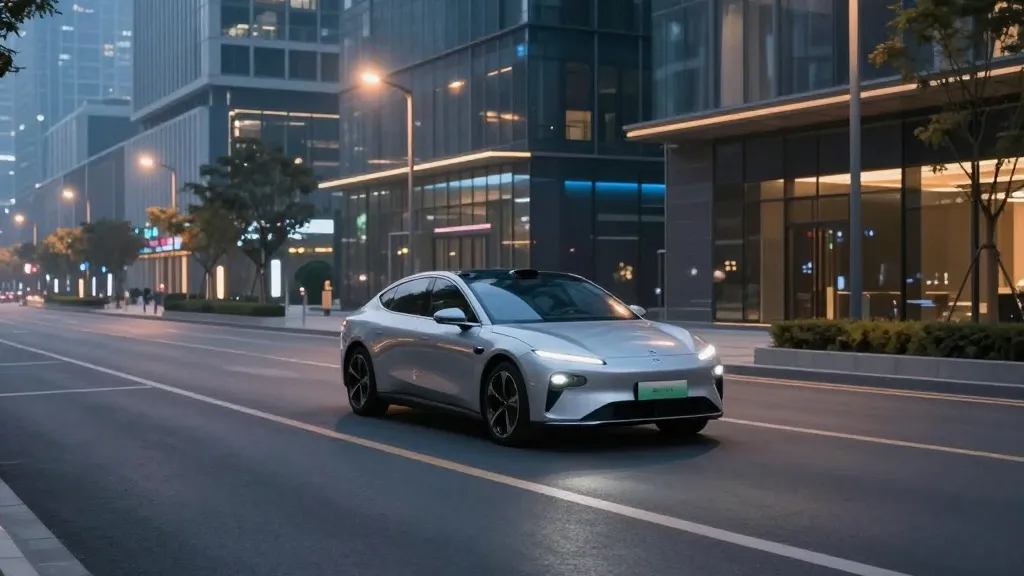
During the Q3 2026 earnings call held today, AI chief Ashok Elluswamy confirmed that unsupervised Full Self-Driving for customer vehicles is now targeted for the second quarter of 2027. This update arrives with a significant structural change: owners will not simply receive a software patch that allows their cars to drive anywhere. Instead, Tesla describes the process as adding personal vehicles to its managed Robotaxi fleet. This means the car only operates without supervision within specific areas where Tesla’s existing Robotaxi service is already active.
This clarification addresses a top question from retail shareholders, who collectively held about 1.1 million shares and asked when unsupervised FSD would arrive in customer cars. The answer reshapes the product from a general-purpose autonomous vehicle into a fleet-based service. For example, in Miami, the operational zone covers mostly West Miami and a strip toward Doral and Sweetwater. Similar small geofences were launched in Orlando and Tampa in July. In these areas, the service sticks to low-speed routes and largely avoids highways and complex urban environments.
Several caveats limit the immediate impact of this announcement. Tesla’s Robotaxi service currently operates in only six US metros, and the fleet remains small. By the end of the third quarter, Tesla reported nearly 2 million cumulative unsupervised miles, a figure that includes the Cybercab which joined the Austin fleet just a month prior. Third-party tracking this spring indicated that only dozens of fully driverless Teslas were on the road, far short of the hundreds of thousands previously suggested by Elon Musk. Additionally, the Bay Area service is not fully unsupervised; California rules still require a safety driver in every car because Tesla has not yet released the necessary data to the DMV for a level beyond 2.
This shift marks a departure from the pitch presented to buyers since 2016, which promised a car that would eventually drive itself anywhere via a software update. In July 2025, Musk told investors that unsupervised FSD for personal use would be available by the end of that year in certain geographies. A year prior, he expressed surprise if Tesla did not have unsupervised self-driving the following year. Meanwhile, owners of HW3 hardware have been told their computers cannot run unsupervised FSD at all, with no clear upgrade plan provided.
Elluswamy cited safety as the primary bottleneck, noting that Tesla limits operations to lower-speed roads and simpler environments while it works to resolve these issues. He estimated that these safety hurdles could be fixed by next year, though he admitted the company is essentially guessing on the timeline. Competitor Waymo has already established a presence in both Orlando and Tampa, accumulating over 3 million miles, and holds driverless deployment permits in California, a status Tesla has yet to achieve.
For Southwest readers, the practical implication is that the technology is arriving, but in a constrained form. Unless you live or work within one of the small, defined zones in metros like Miami, Orlando, or Tampa, the unsupervised feature will not transform your daily commute. It is a step toward autonomy, but it remains a service you join, not a capability you own.
Source: Electrek